
Sustainable urban transport
Innovation
on Water
Green, smart, and flexible electric ferry systems for modern cities. Autonomous vessels connecting communities across waterways, at a fraction of the cost of traditional infrastructure.
Capabilities
Built for the future of urban transit
Engineered for safety, efficiency, and sustainability.
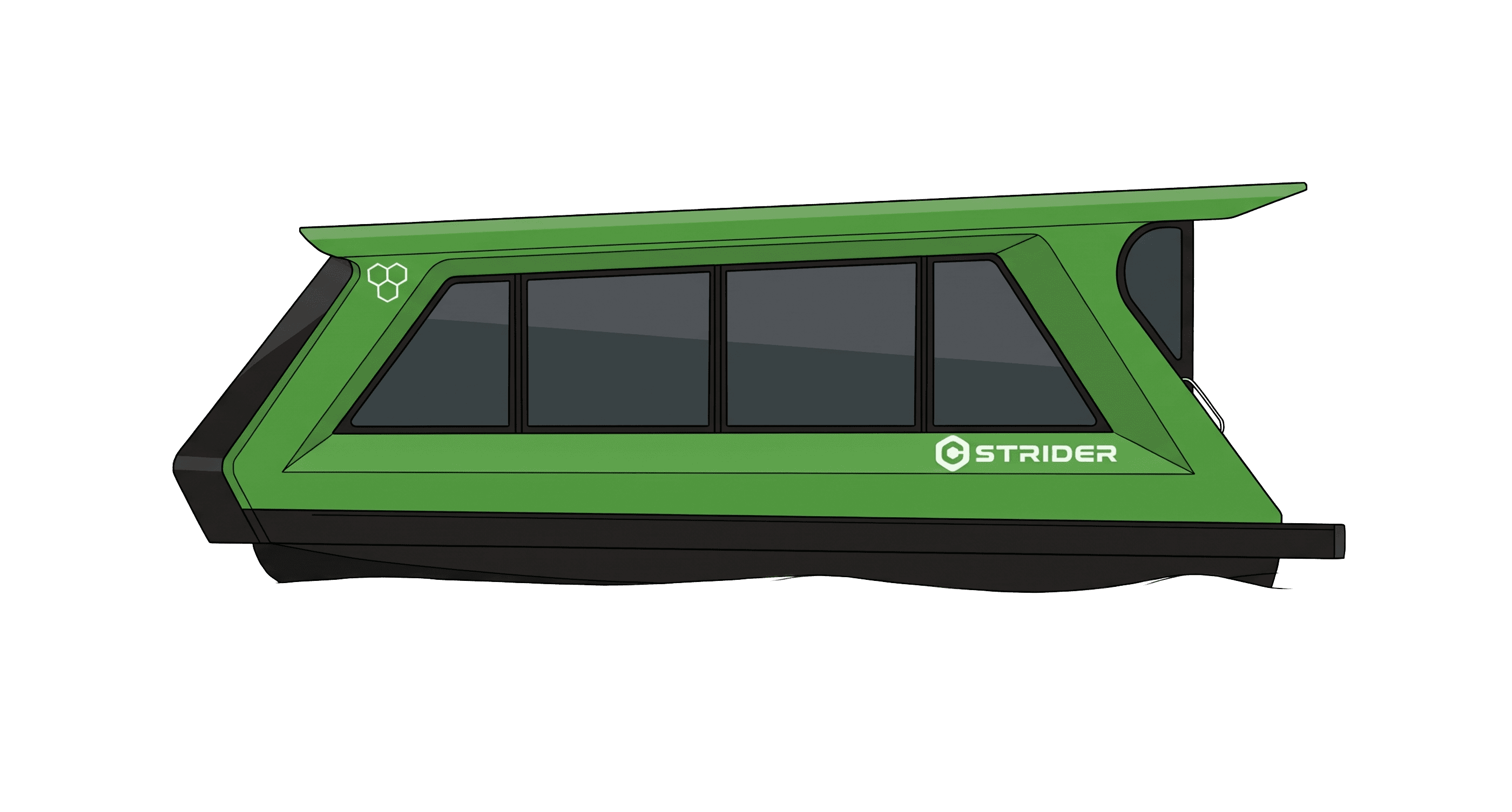

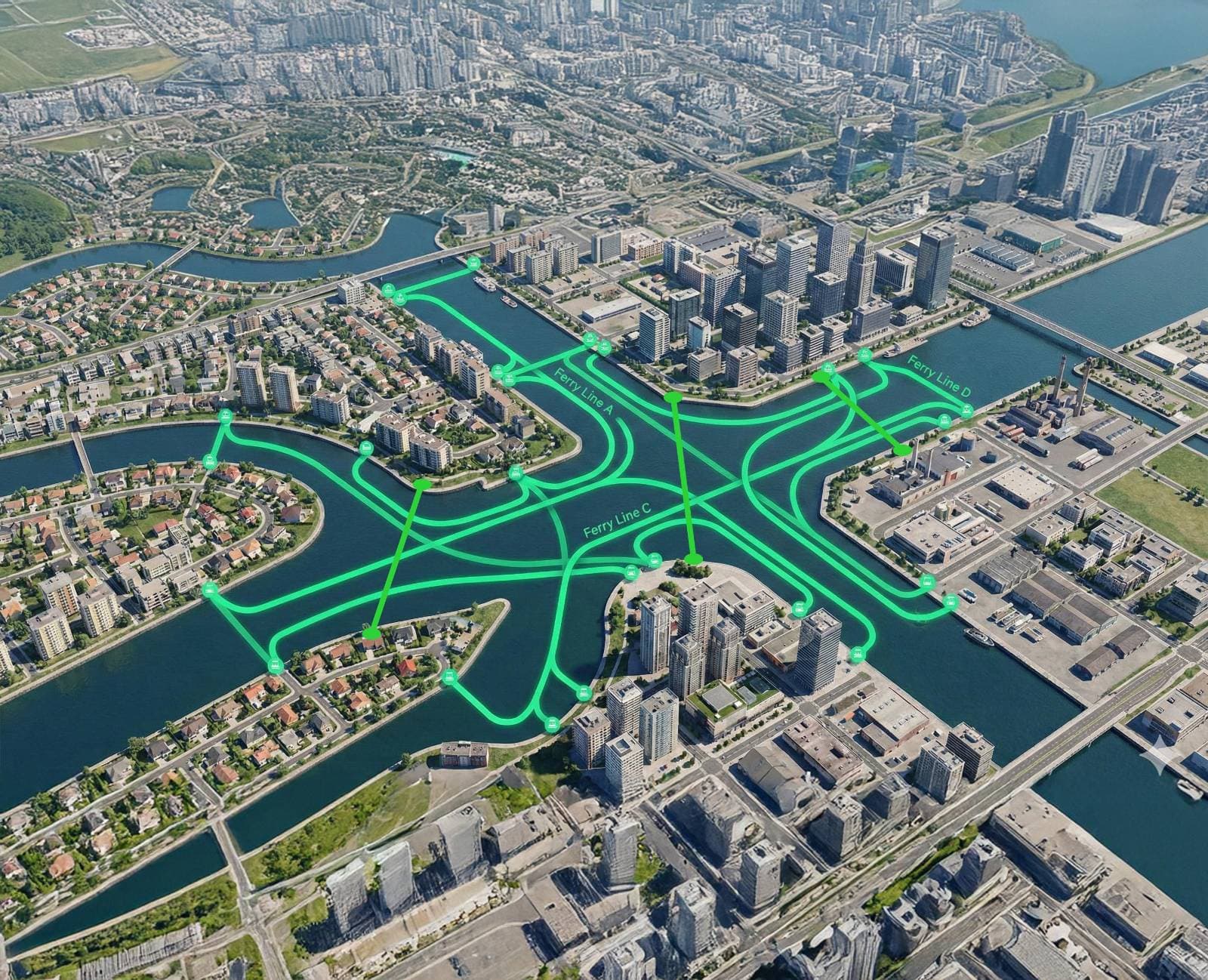
Autonomous Navigation
The autonomy stack drives the boat. The operator stays in command. Safe, efficient operation across urban waterways.
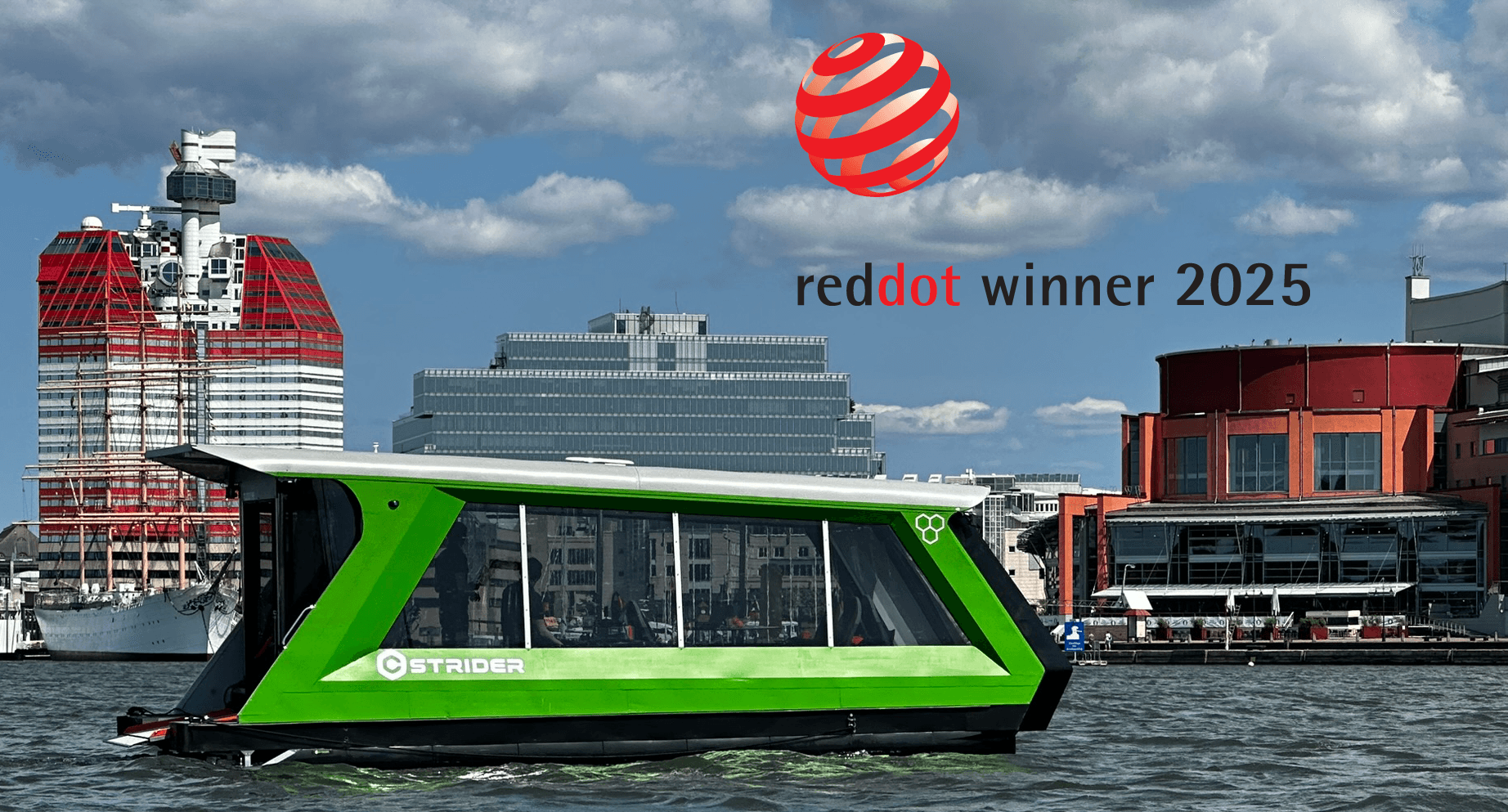
Fully Electric
Zero direct emissions, near-silent, low wake. Designed to coexist with the harbours it crosses.
Modular Design
Ferry, virtual bridge, or shuttle traffic. Infrastructure that adapts to the city, not the other way around.
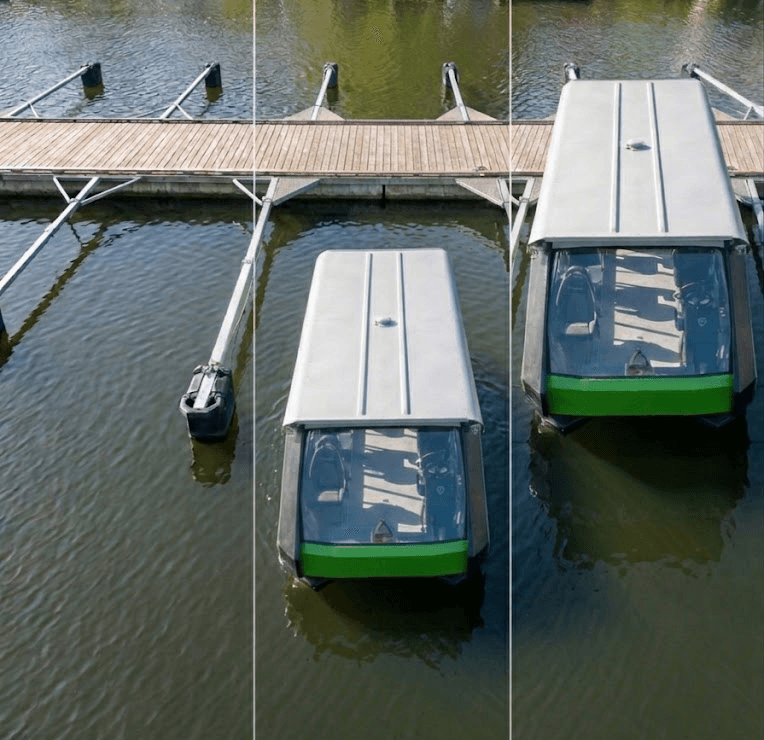
Smart Docking
Automated docking stations with custom designed docks for seamless turnaround operations. Can also be added as an extension to an existing dock.
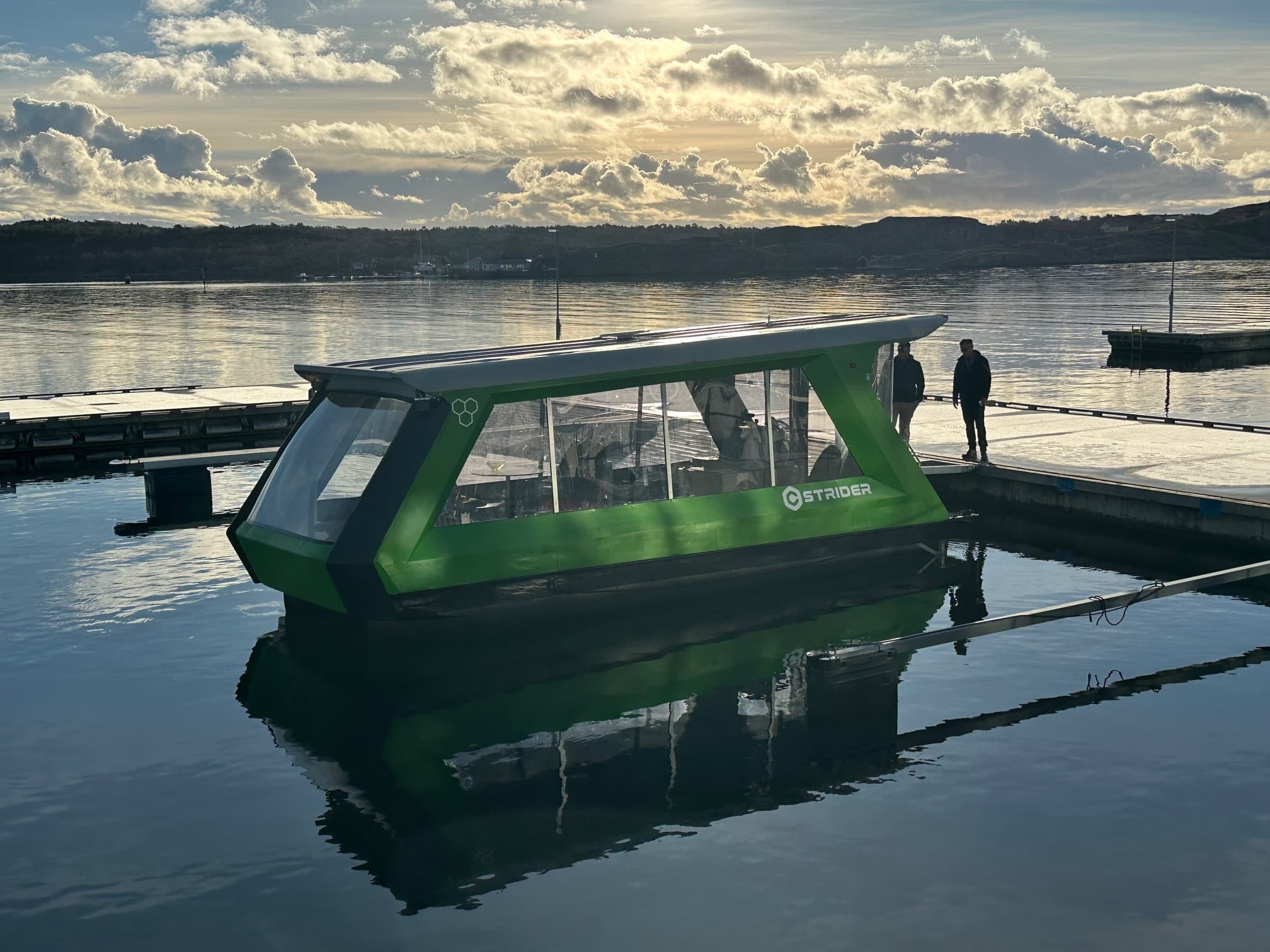
Compact Vessel
Purpose-built for narrow urban waterways, rivers and small sea crossings. Big enough to matter, small enough to fit.
About Cstrider
Reimagining how cities move across water
Cstrider is a Swedish startup building the next generation of urban waterborne transport. Our autonomous electric ferries offer a cost-effective, green alternative to bridges and traditional ferry lines, adaptable to cities and rural communities alike.
With a complete system approach covering vessels, docking stations, and charging solution, we deliver turnkey solutions that cities can deploy in days, not years.
Our Mission
Cstrider is the future of urban waterborne transportation. With a flexible system, we adapt to the customized needs of each city, providing an environmentally friendly, sustainable solution that reduces commuting time and supports a higher quality of urban living.
Sustainability First
Zero emissions, minimal wake, and whisper-quiet operation. Our vessels are designed to coexist with marine ecosystems and coastal communities.
Swedish Innovation
Born in Gothenburg, engineered for the world. We combine Scandinavian design principles with cutting-edge marine technology.
Our Vessel
Meet Celia
Our production model, in service today. Browse the gallery.
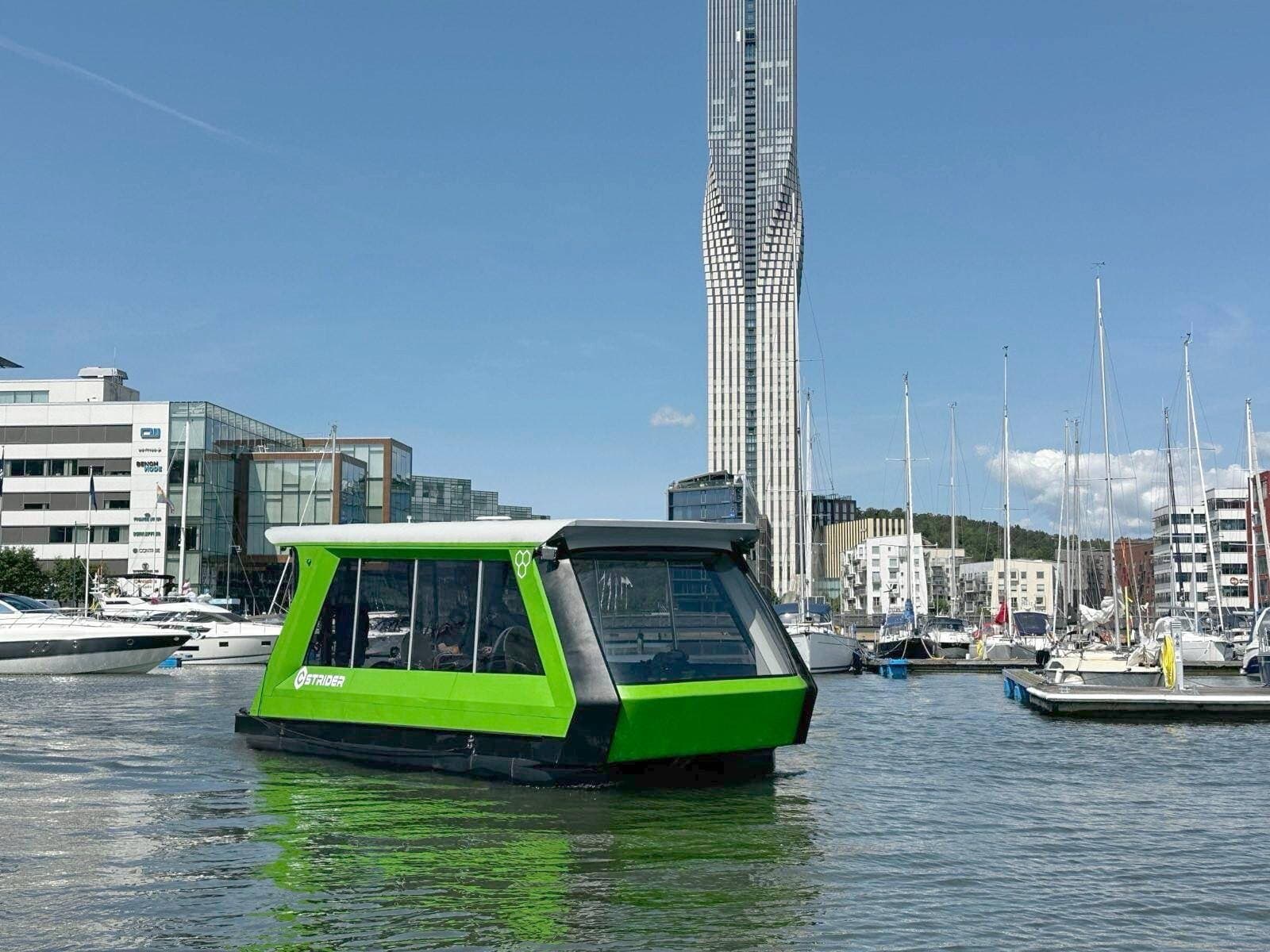
Cstrider Model Celia
Our current production model, in service today.
Pricing
Affordable green transit
A complete ferry system for a fraction of the cost of a pedestrian bridge, with none of the construction delays.
Why not a bridge?
A traditional pedestrian bridge takes years to plan and construct, and costs a fortune. The Cstrider system deploys in days, at a fraction of the price, connecting the same communities with zero permanent impact on the waterway.
Deployed in days · Fraction of fixed-bridge capex · Zero permanent impact
Team
The people behind Cstrider
A passionate team of engineers, designers, and operators building the future of urban water transit.
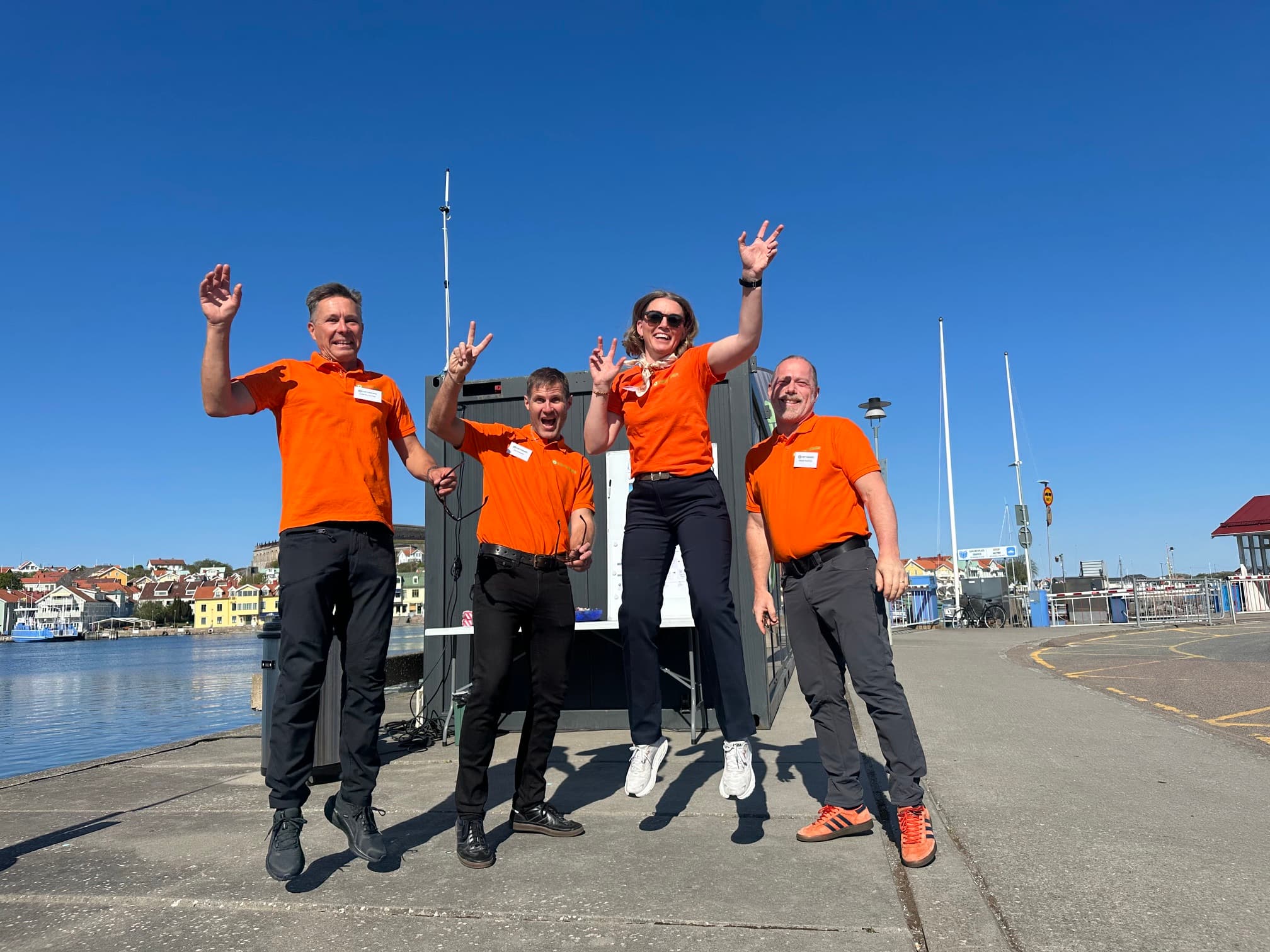
The Cstrider team · Marstrand
Board

Dr. Tobias Husberg
CEO & Founder

Thomas Sätmark
Board Member

Ida Dahlborg
Board Member

Lars Westlund
Board Member
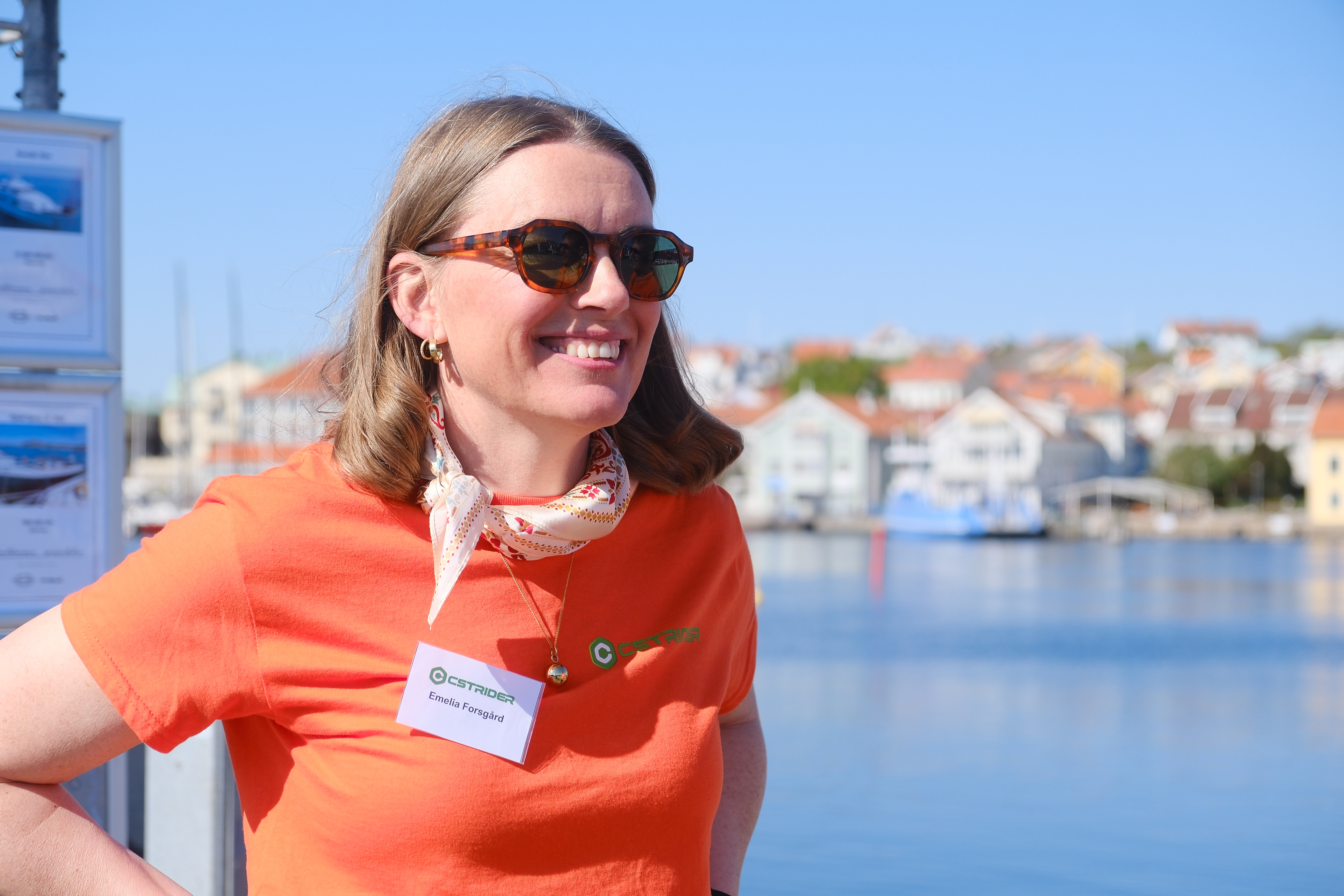
Emelia Forsgård
Board Member
Team
Dr. Tobias Husberg
CEO & Founder
Emelia Forsgård
COO
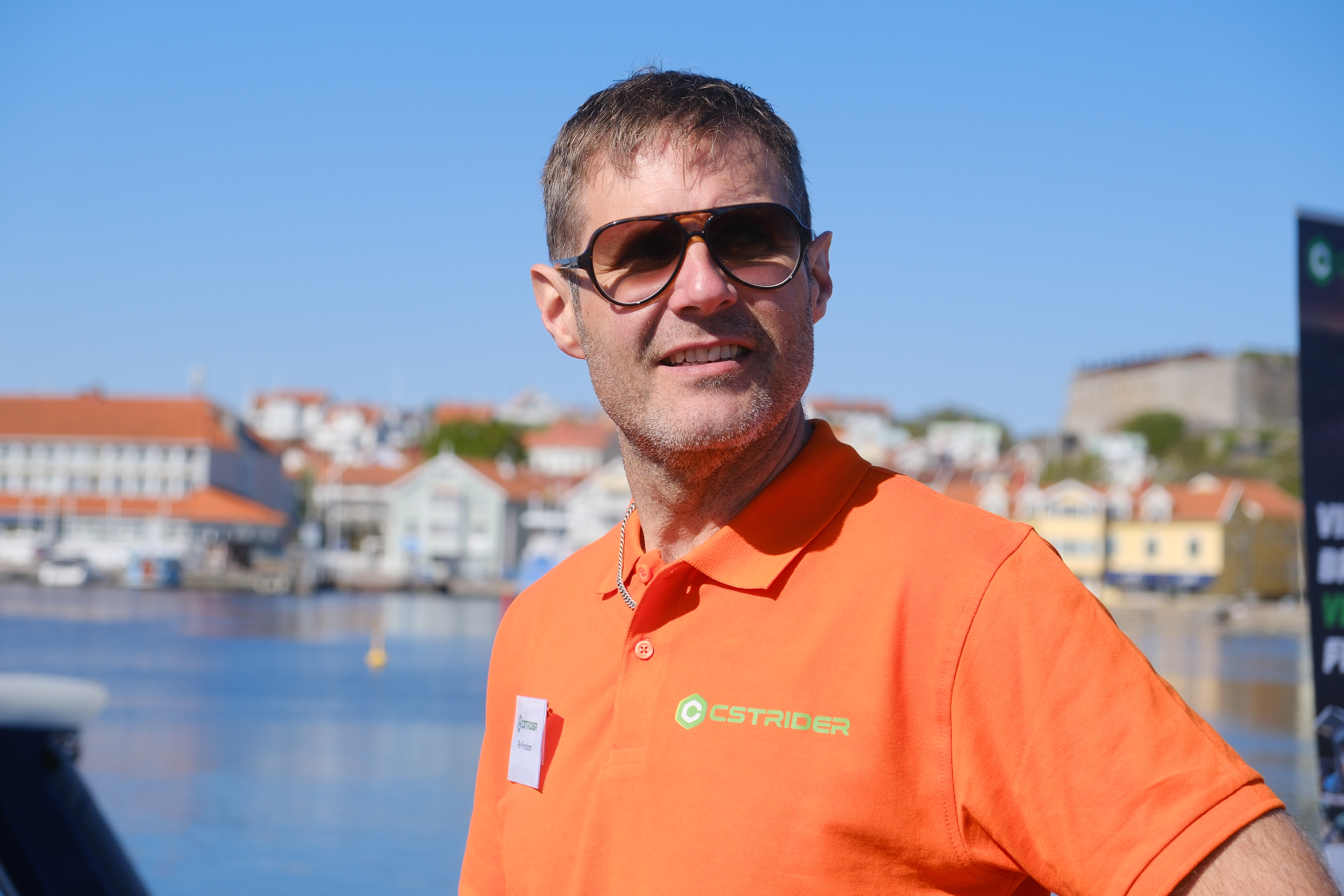
Per Forsbom
Mechanical Engineering

Sebastian Pelto-Piri
Control Systems

Eduard Gray
Head Designer

Nina Nordström
Customer Relations

Karl Nordström
Product Safety

Dr. Örjan Askerdal
Expert Advisor
In the Press
Making headlines
Cstrider has been featured in Sweden's leading media outlets.
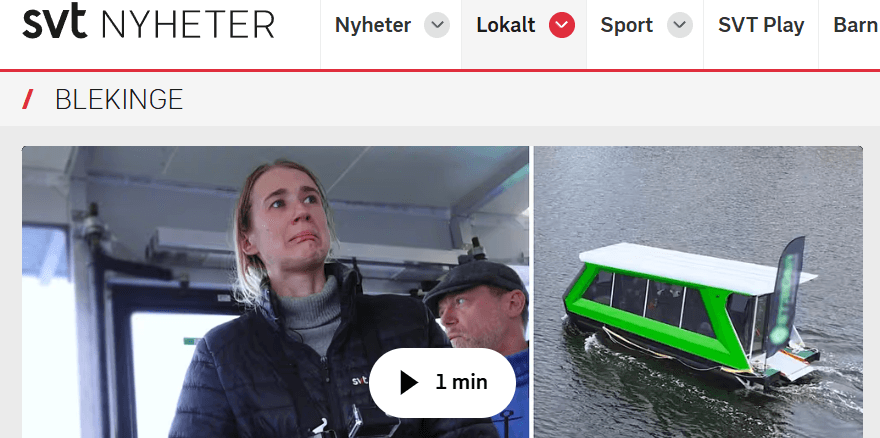
SVT Nyheter
Här testkör SVT framtidens båtpendel med joystick
Sveriges television provkörde Cstriders eldrivna aluminiumfärja i Karlskrona och rapporterade om hur tekniken kan revolutionera framtida vattenburen kollektivtrafik.
Läs artikeln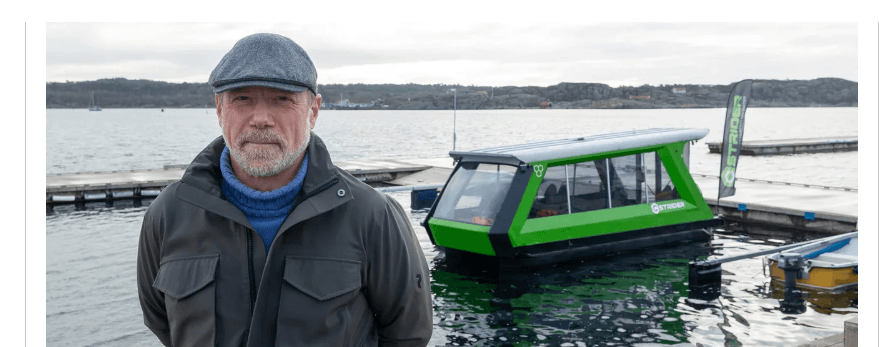
Sjöfartstidningen
Cstrider bygger elfärja för trafik i Kungälv
Trollhättan-baserade Cstrider tar steget från prototyp till kommersiellt projekt och bygger en elfärja åt Kungälvs kommun för trafik mellan Marstrand och Koön.
Läs artikeln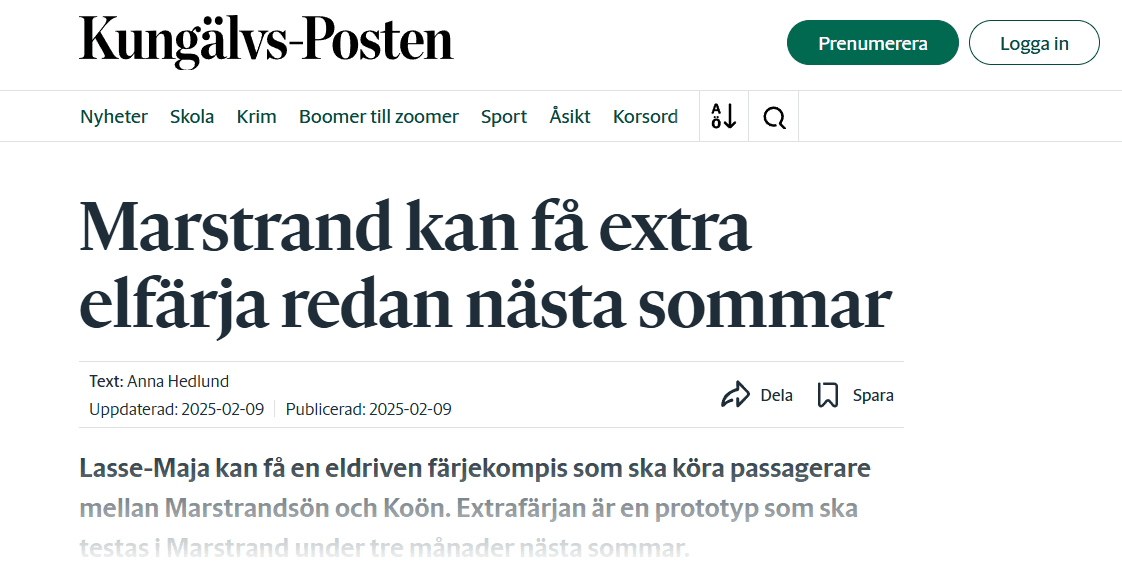
Kungälvsposten
Marstrand kan få extra elfärja redan nästa sommar
Lokaltidningen rapporterar om Cstriders planer på att sätta in en extra elektrisk färja i Marstrand, en av Sveriges mest besökta sommardestinationer.
Läs artikeln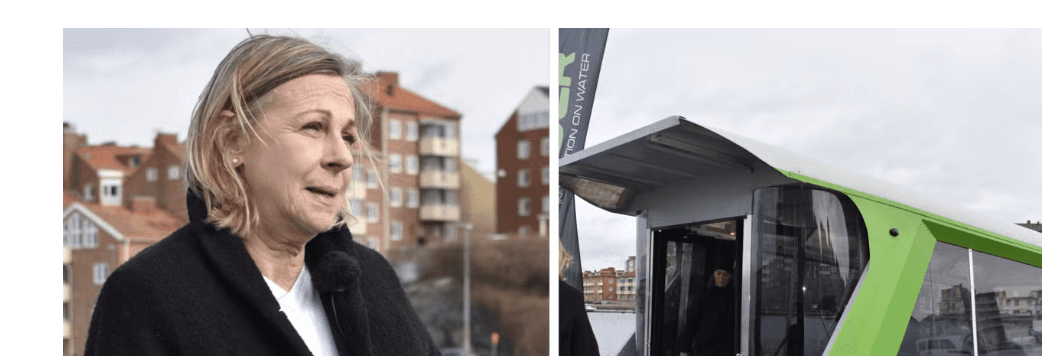
Sydöstran
Framtidens båtpendel? Vi hängde med på en tur!
Premiär för Cstriders demonstrationsbåt i Karlskrona, ett samarbete med Affärsverken, Actrify och Blue World Technologies för att visa upp framtidens vattentransport.
Läs artikeln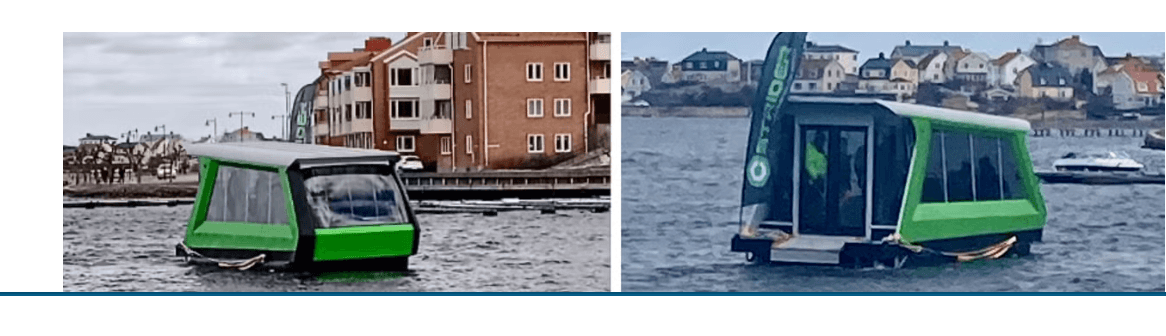
Blekinge Läns Tidning
Nej, du såg inte fel: grön farkost i Borgmästarefjärden
BTH och Cstrider demonstrerar en liten grön farkost i Karlskrona, ett forskningsprojekt som visar hur flytande kollektivtrafik kan spara tid och energi i vattennära städer.
Läs artikeln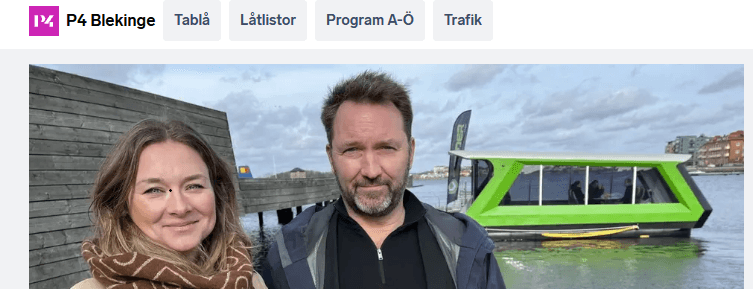
Sveriges Radio P4
Här testas sjöbussen som kan korta restiden till jobbet
Sveriges Radio rapporterar om hur Cstriders elektriska sjöbuss testas som ett alternativ för att snabba upp pendlingen i städer med vattenvägar.
Läs artikeln
Västerås Tidning
Det blir billigare än att bygga en bro
Västerås Tidning uppmärksammar Cstriders färjelösning som ett kostnadseffektivt alternativ till traditionell brobyggnation.
Läs artikeln
Ny Teknik
Rymdinkubatorn som öppnar dörrar för startups, firar 10 år i Trollhättan
Ny Teknik uppmärksammar ESA BIC Swedens tioårsjubileum i Trollhättan, där Cstriders grundare Tobias Husberg berättar om bolagets autonoma elfärjor.
Läs artikeln
Corren
Här testas en ny passagerarfärja i Motala, rymmer 12 personer
Corren rapporterar om provkörningen av Cstriders elektriska passagerarfärja i Vättern. Vi vill återta trafikvägarna på vatten, det är sällan trafikstockning i vattnet, säger Tobias Husberg.
Läs artikelnCstrider offers a genuinely innovative solution for connecting communities separated by water. It's exactly the kind of flexible infrastructure we need.
Regional Transport Authority
The autonomous technology is impressive, but what really stands out is the speed of deployment and the minimal environmental footprint.
Technical Research Institute
Det blir billigare än att bygga en bro
The Future is Autonomous
Why spend billions on bridges?
From a single shoreside control room, one or two operators pilot a fleet of zero-emission electric ferries, turning your city's most underutilised infrastructure, the waterway, into a working public-transit line.
CEROC
A virtual bridge, in eight weeks.
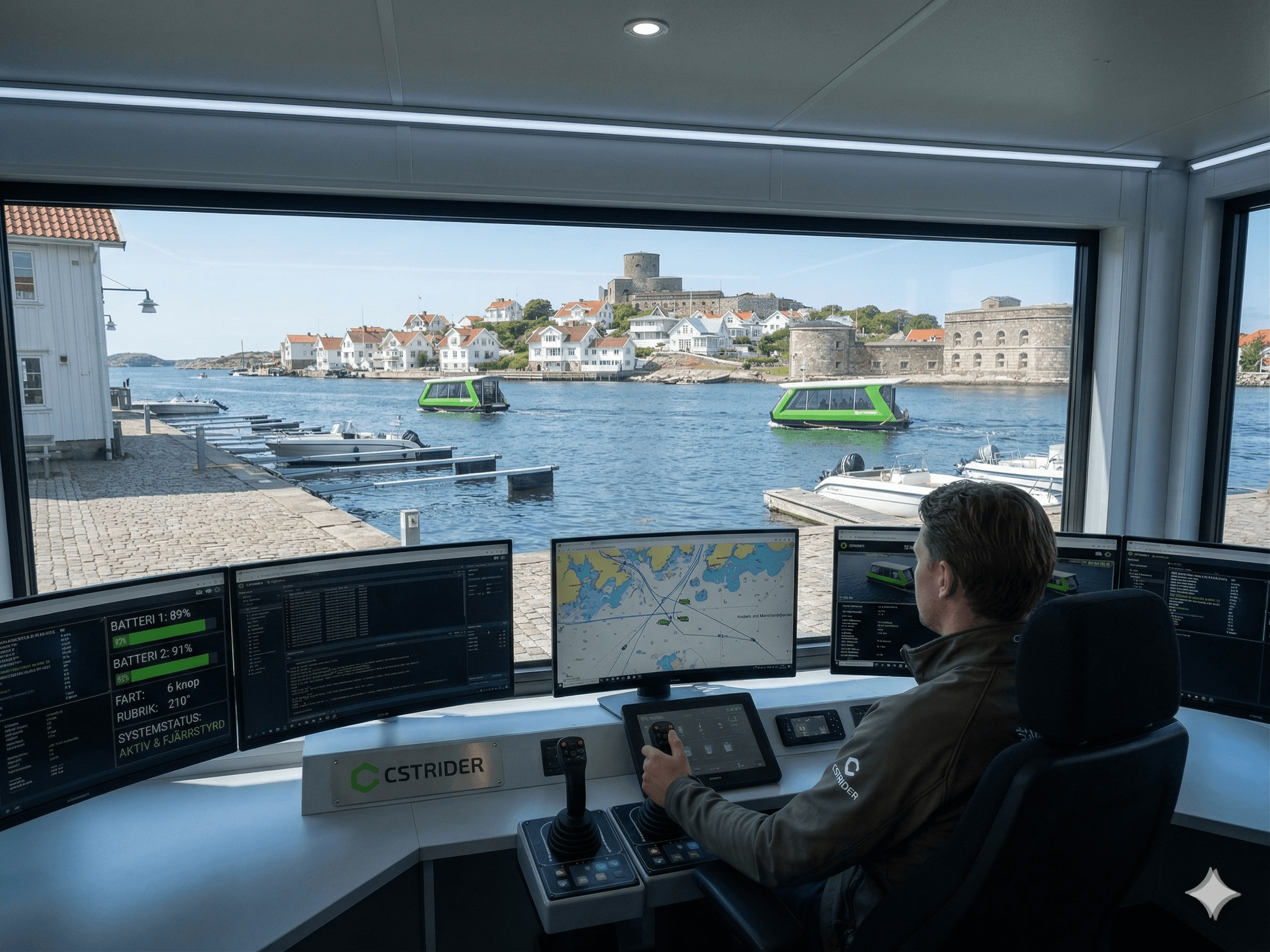
The system is operated from CEROC, the Cstrider Efficiency Remote Operating Centre. Certified operators sit ashore in a climate-controlled cabin and supervise an entire fleet of autonomous electric ferries: live video, radar, AIS, chart and energy, all from a single seat.
The autonomy stack drives the boat. The operator stays in command. The whole control room fits in a 20 ft container, or installs directly in an existing traffic control centre.
Autonomous docking
The vessel swings in and backs precisely to the quay. No hands on the wheel.
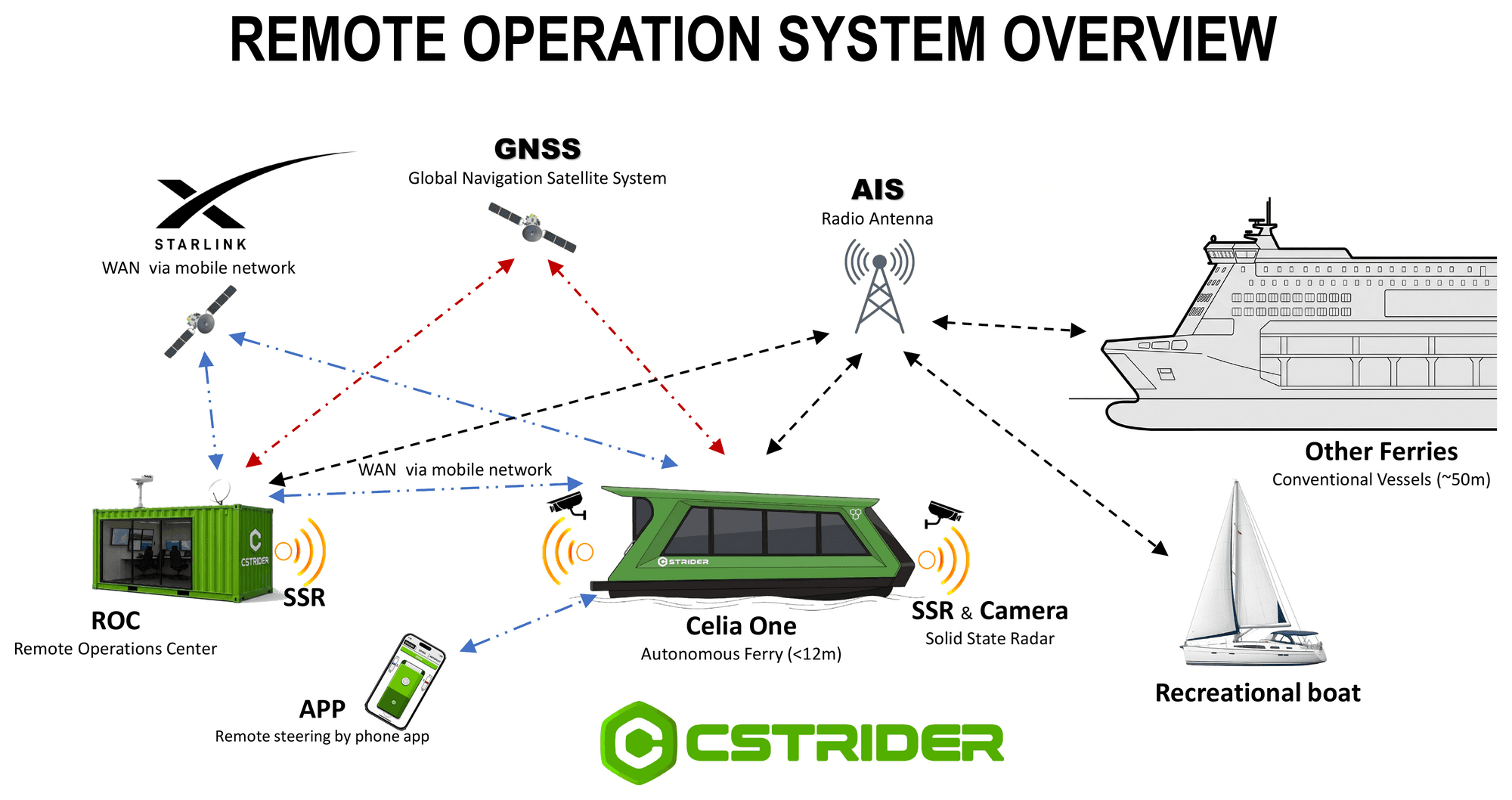
The system, at a glance · CEROC · Link · Celia One
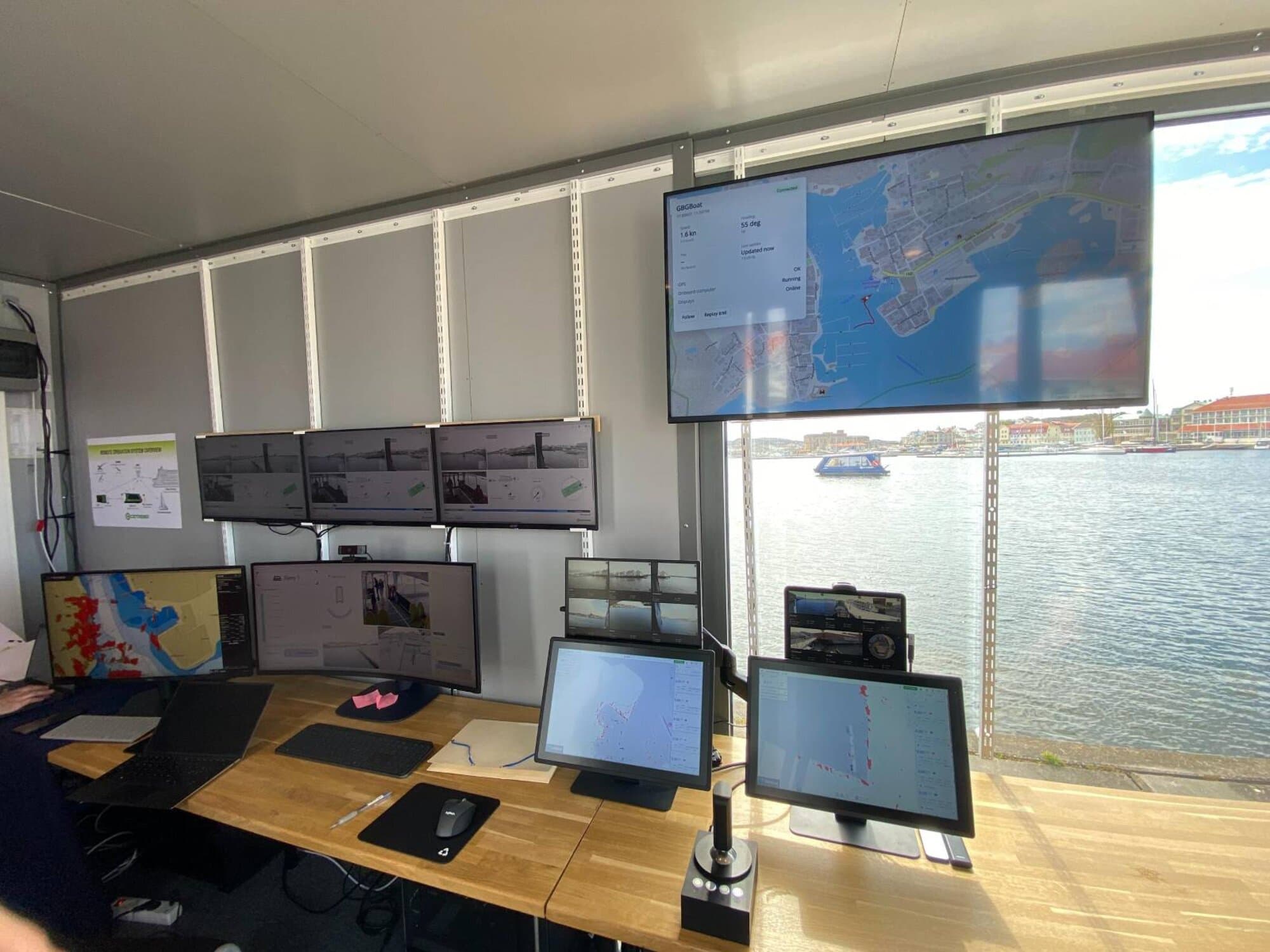
CEROC · Inside the remote operations centre
Beyond road traffic
Fix broken transit links with scheduled crossings between existing quays. The Virtual Bridge slots straight into the public-transport network.
Fraction of fixed-bridge capex
Decarbonise the fleet
Replace diesel ferries with zero-direct-emission, near-silent electric vessels designed to coexist with the harbours they cross.
Electrify, greatly reduced energy need
Scale by software
One CEROC seat oversees multiple vessels. Add a vessel to the schedule the way a city adds a tram to a line: high frequency, short travel times.
1:N operator-to-fleet ratio
Call for pioneer cities · 2027 to 2028
Become a landmark case for autonomous water mobility.
We respond to every feasibility enquiry within two working days.
FAQ
Frequently asked questions
Everything you need to know about the Cstrider system.
Get in Touch
Ready to transform your waterways?
Whether you're a municipality, transport operator, or investor, we'd love to hear from you.
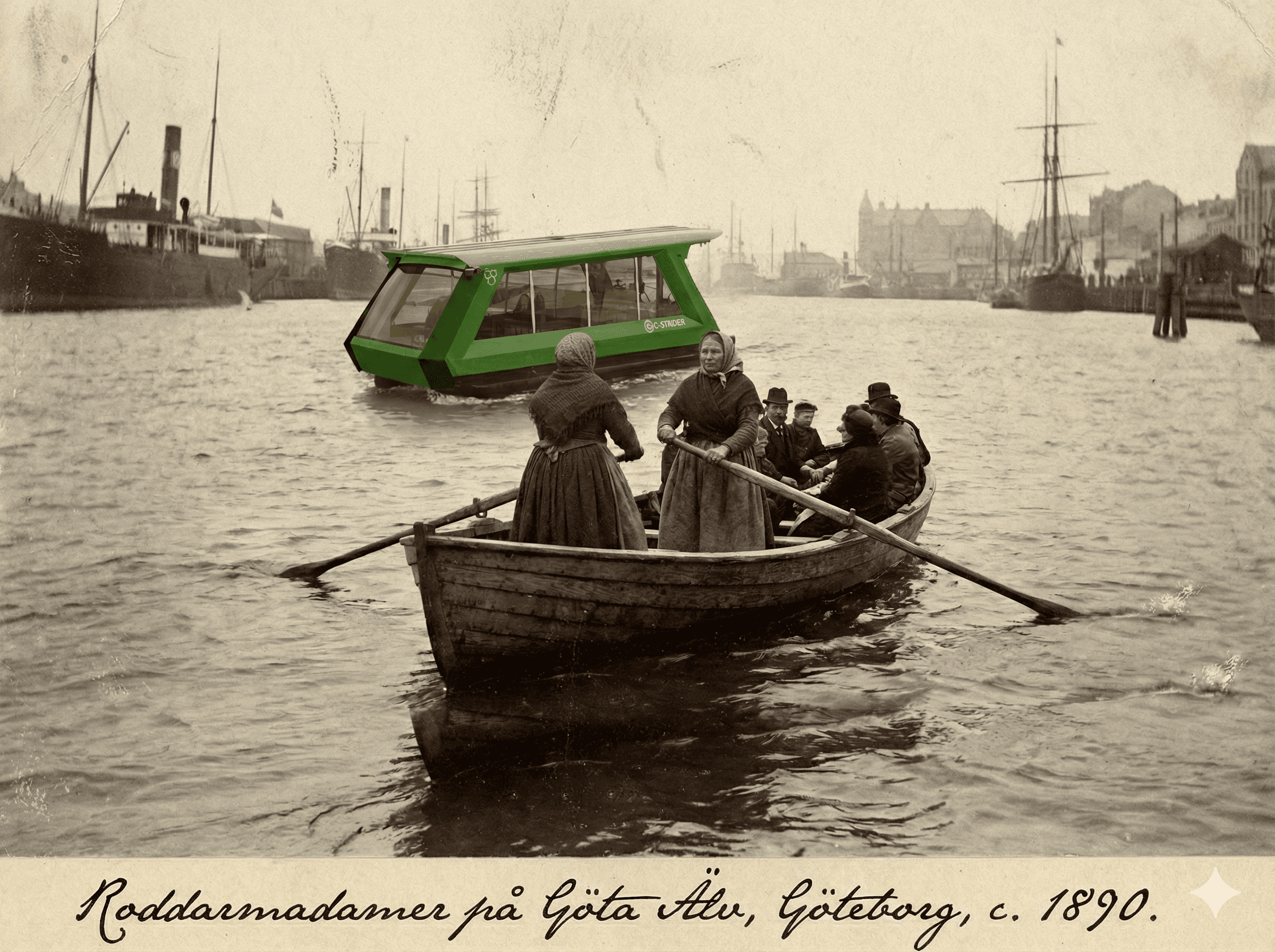
Heritage
Reclaim the Waterways
The past revisited